



Augenium
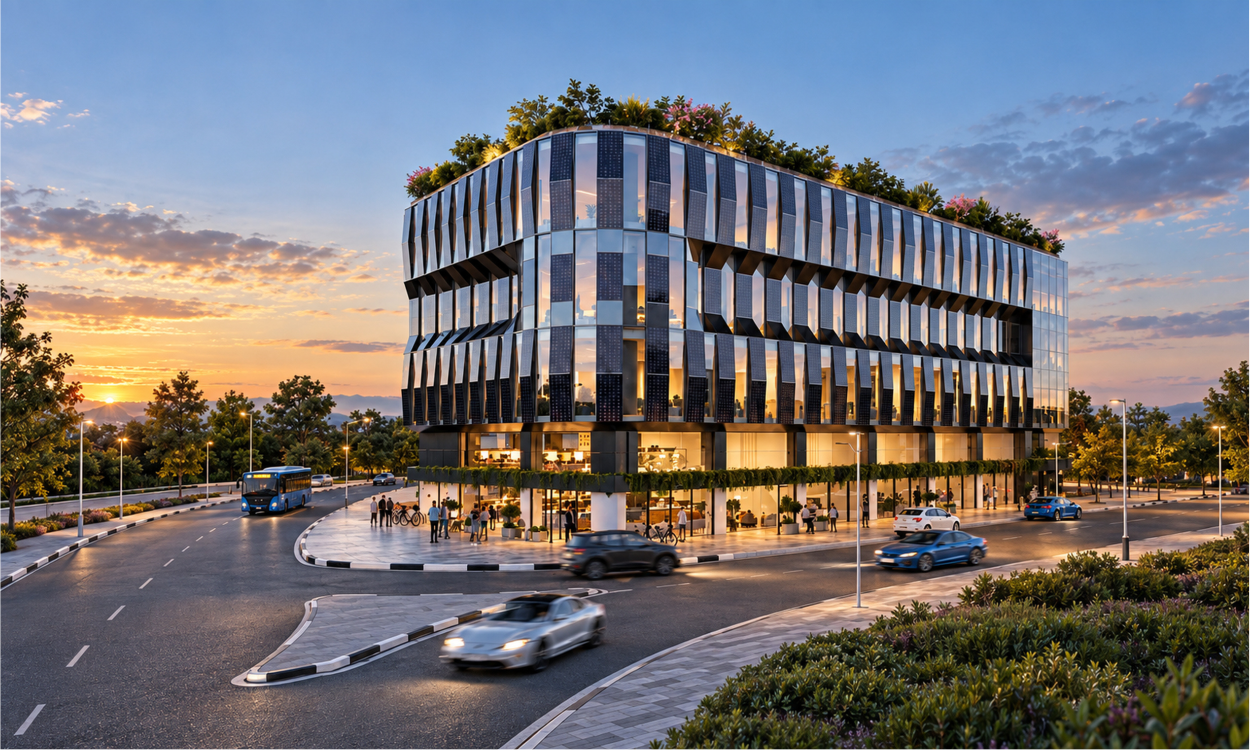
Augenium is redefining what a building’s envelope can do. The AURE range of advanced building materials turns building façades from passive surfaces into active, energy-generating assets, without compromising thermal performance, compliance or reliability.
AURE products help create more self-sufficient, energy-efficient buildings and support projects working towards sustainability ratings and net-zero goals.
Backed by real-world testing and a growing international project pipeline, Augenium is building the next generation of high-performance façades.

The Mission
Augenium’s mission is to transform building materials into active contributors to a more sustainable future.
Our AURE range integrates renewable energy generation into the building envelope, helping improve the performance of new buildings and retrofit existing ones.
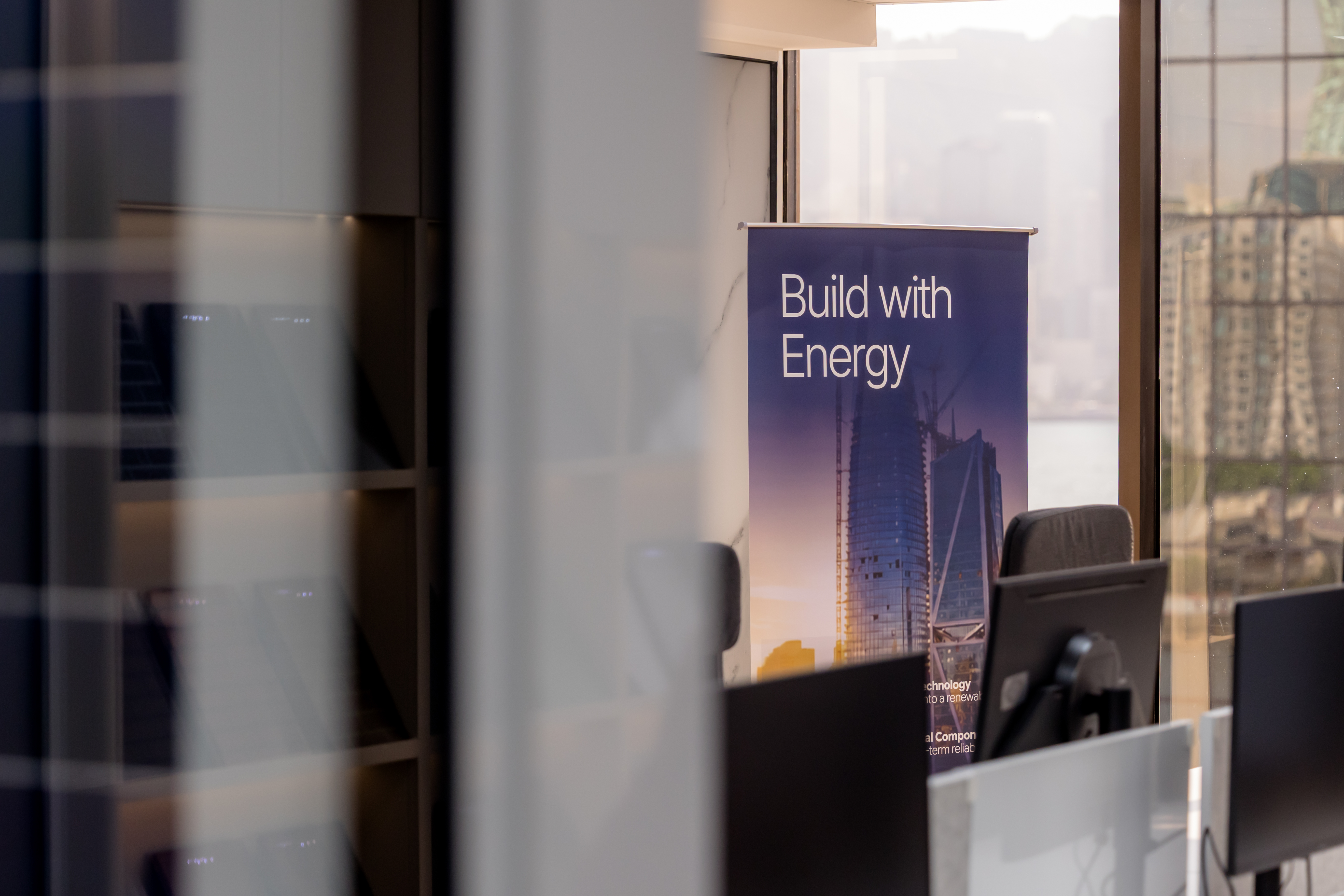
With specialised components designed to work with the framing systems and installation methods the industry already uses, Augenium makes it simpler to Build with Energy.
What is BIPV?
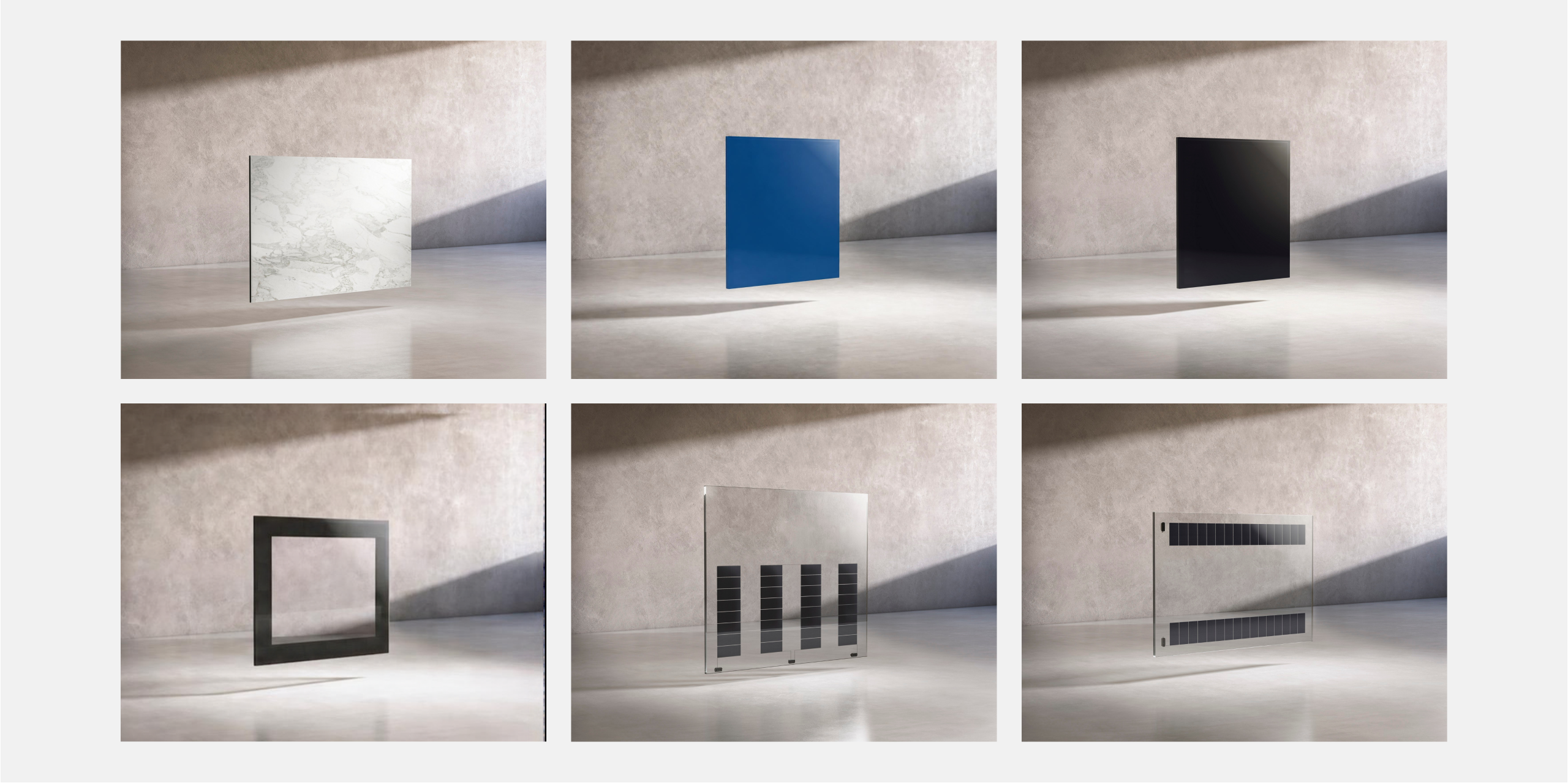
Building-integrated photovoltaics (BIPV) refers to the integration of solar technology directly into a building’s architecture. The integration of our technology allows conventional building materials such as glazing, skylights, cladding and balustrades to generate renewable energy. By combining energy generation with essential building elements, BIPV helps architects and developers maximise available surfaces. This improves building performance and reduces reliance on traditional energy sources while preserving architectural design intent.
The Team
Our team brings together expertise across technology, engineering, manufacturing, architecture, sustainability and commercial development. The team is united by a shared ambition to transform the built environment. With a collaborative, solutions-focused approach, we work with industry partners, clients and communities to bring innovative renewable energy solutions from concept to real-world impact.
-
Board
-
Leadership
-
Product & Technology
-
Business Development
-
Operations
-
Business Operations
Theresa Smits
Chair
With over 35 years of hands-on business experience spanning banking and finance, administration, management, sales and marketing, Theresa Smits brings a rare combination of strategic insight and operational expertise. Her career has been built from the ground up, formed by real-world experience rather than theory, giving her a practical edge in navigating complex business environments.
Theresa is a highly organised, results-driven professional known for her adaptability, strong interpersonal skills and commitment to building trusted relationships. Her entrepreneurial track record includes founding and scaling multiple successful ventures across a range of industries.
She led Broadband2U to a successful acquisition by Superloop, one of Australia’s leading broadband providers. Since 2007, she has transformed Eaton Services Group from a small regional business into a major commercial cleaning and facilities management company operating along Australia’s eastern seaboard, achieving over 2400% growth.
Earlier in her career she spent over 15 years as an interior designer, collaborating with architects, developers, and builders on both commercial and residential projects. Her work spanned the full lifecycle from initial concept design through to fit-out blending creative vision with practical project management to deliver results that balanced aesthetics, functionality, and long-term value.
Theresa’s deep background in finance and operations significantly strengthens the strategic and financial foundations of any business she is part of—including her current role contributing to the growth and commercial success of Augenium

Doug Hunt
Managing Director & CEO
Doug Hunt is an international executive with extensive experience building and scaling businesses across Asia Pacific. As former CEO of Europcar Asia Pacific and Regional Director of Europcar International, he led operations across 31 countries and helped establish the brand throughout the region. Doug brings deep expertise in international franchising, licensing and strategic partnerships, alongside more than seven years’ experience in the renewable energy sector across the US and Australia. As CEO of Augenium, he leads the company’s global commercialisation strategy, driving the adoption of its building-integrated solar solutions and manufacturing partnerships worldwide.
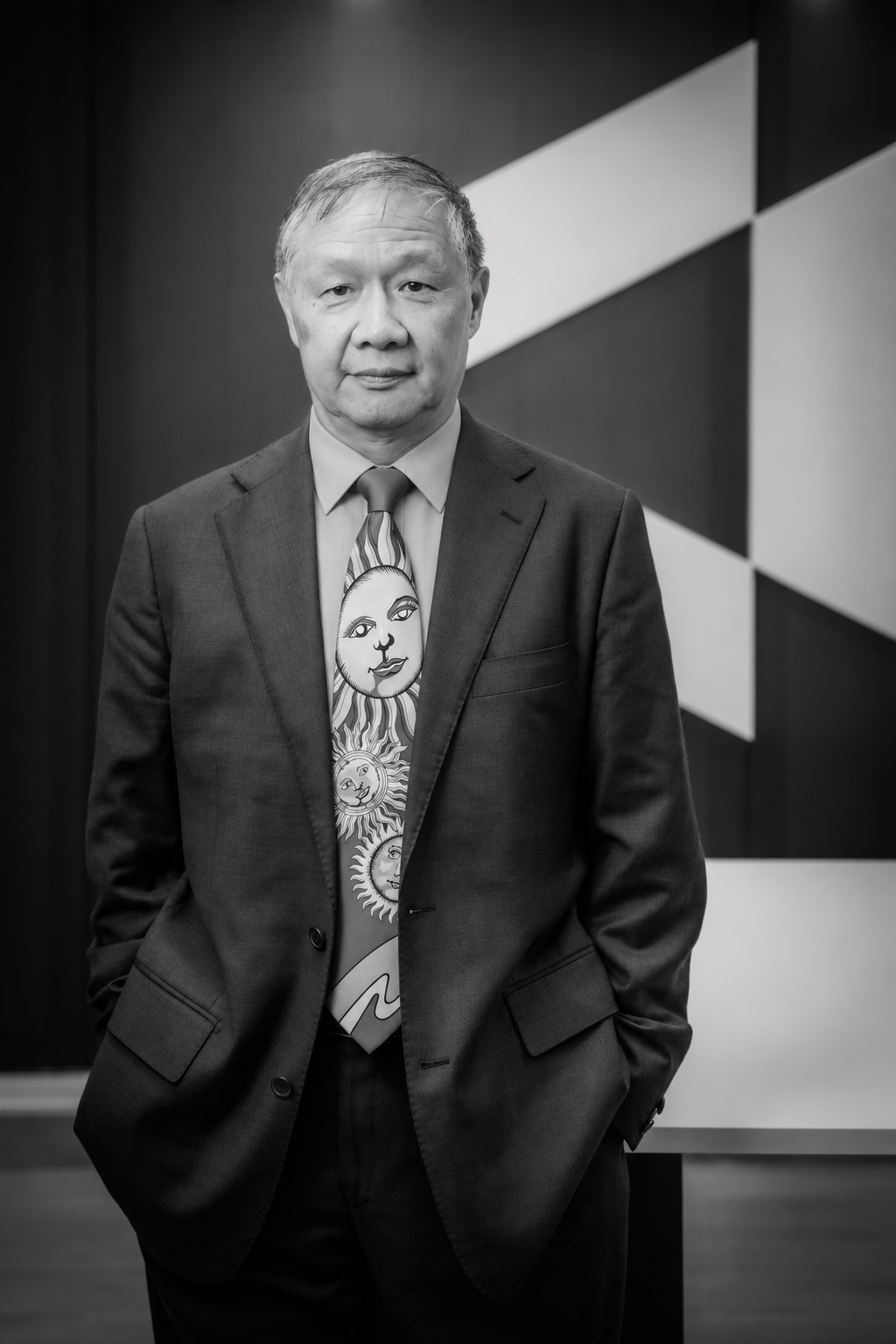
Liang Ji
Non-Executive Director
Mr. Liang Ji started his work on solar energy in the late 1980s. In early 1990s, Mr. Ji joined a small expert team in Arizona State University (ASU), to establish first commercial photovoltaic module test and certification laboratory in the U.S., the ASU-PTL (Photovoltaic Test Laboratory). At that time, there were only a few government laboratories that could do the testing on PV modules. The team designed the test procedures and test equipment. Later, most of these procedures became the IEC (International Electrotechnical Commission) standard that is used today.
In the early 2000s, Mr. Ji became an official member of the IEC Technical Committee for solar photovoltaic energy systems (TC82). He served as the assistant secretary of TC82 since 2004, and now he is one of the longest members in TC82. He was the main author for the world’s first Concentrator PV standards, IEEE 1513 and IEC 62108.
Mr. Ji joined UL (Underwriters Laboratories) in 2005. He served as the Principal Engineer for PV products and implementation of both IEC and UL standards on junction-boxes, connectors, wire-harnesses, trackers and more.
Mr. Ji also served as an independent consultant for the World Bank on several solar funding programs to developing countries, such as Bangladesh, Uganda and China.
Over the years, Mr. Ji made numerous technical presentations on PV product testing and certification, long-term reliability and failure mode topics across North America, Europe, Asia and the Middle East.

Andrew Lau
Non-Executive Director
Andrew Lau brings independent ESG and engineering expertise to support Augenium’s global growth and the transition toward high-performance, energy-generating building assets.
He is an engineer and ESG specialist with over 20 years of experience across the built environment, sustainability and energy transition sectors in Asia-Pacific.
Andrew advises institutional asset owners, developers and REITs on building performance, energy risk and long-term asset resilience — with a focus on improving asset value, operational efficiency and investment outcomes through the integration of ESG and technology-led solutions.
He brings deep regional experience, having led projects across Greater China, Japan, Korea, Singapore and Southeast Asia, delivering measurable outcomes including significant energy savings through HVAC optimisation, renewable energy integration, smart building systems and building envelope upgrades.
Andrew holds specialist accreditation in BIPV and has worked closely with emerging technologies to support their commercial application within real-world building environments.
He currently leads ESG advisory initiatives across Asia-Pacific at Colliers, supporting clients to futureproof assets through robust ESG frameworks, stakeholder alignment and disciplined execution of sustainability strategies.
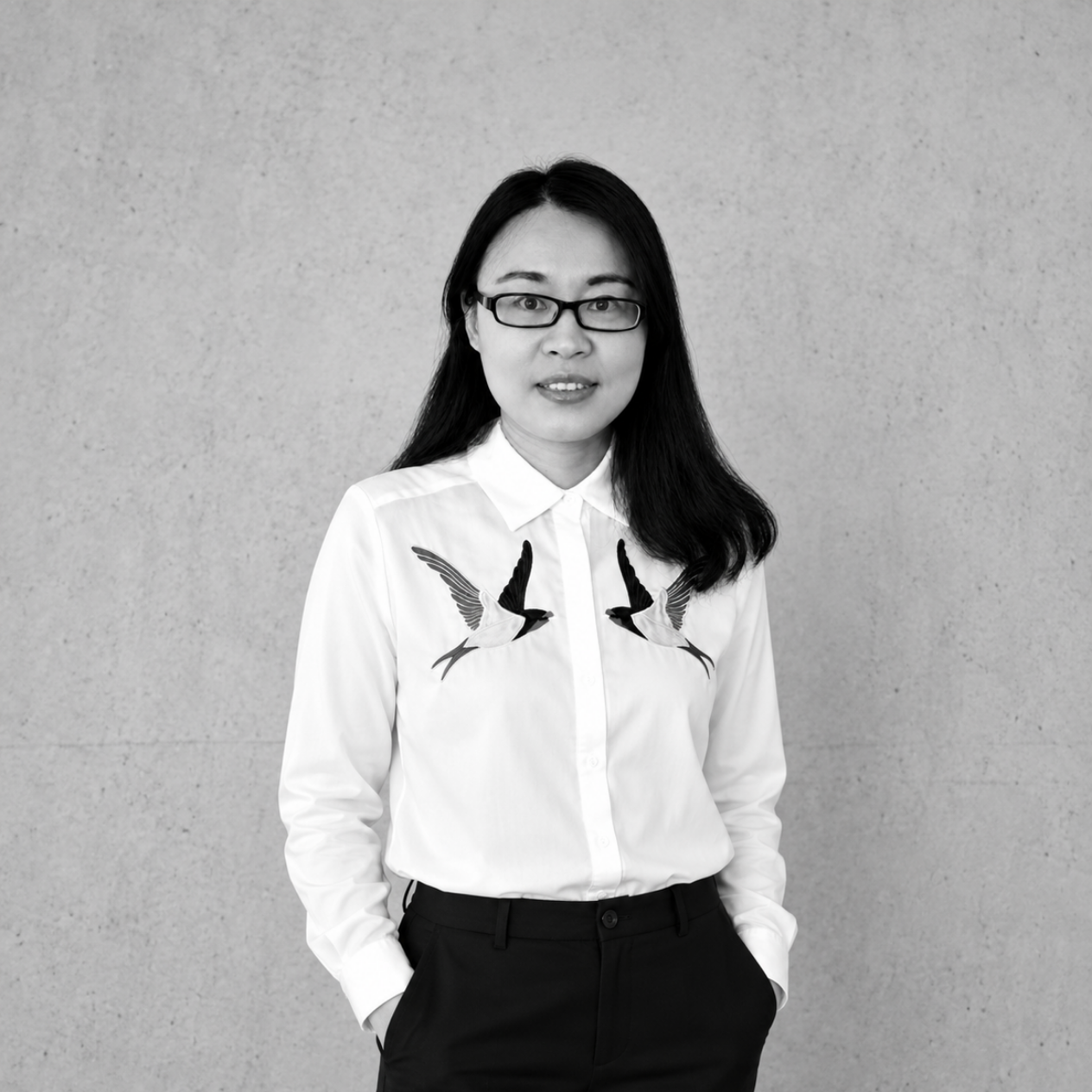
Rebecca Yang
Non-Executive Director
Professor Rebecca Yang is one of Australia’s leading experts in building-integrated photovoltaics (BIPV), sustainable building technologies and renewable energy integration. She is Professor and Doreen Thomas Fellow at the University of Melbourne. Her internationally recognised research spans BIPV, net zero buildings, building energy systems, artificial intelligence and the integration of renewable energy into the built environment. Through extensive collaboration with industry, government and research organisations, her work has helped bridge the gap between leading-edge research and practical commercial application. Professor Yang brings scientific and technical leadership to the Augenium Board.
Doug Hunt
Managing Director & CEO
Doug Hunt is an international executive with extensive experience building and scaling businesses across Asia Pacific. As former CEO of Europcar Asia Pacific and Regional Director of Europcar International, he led operations across 31 countries and helped establish the brand throughout the region. Doug brings deep expertise in international franchising, licensing and strategic partnerships, alongside more than seven years’ experience in the renewable energy sector across the US and Australia. As CEO of Augenium, he leads the company’s global commercialisation strategy, driving the adoption of its building-integrated solar solutions and manufacturing partnerships worldwide.
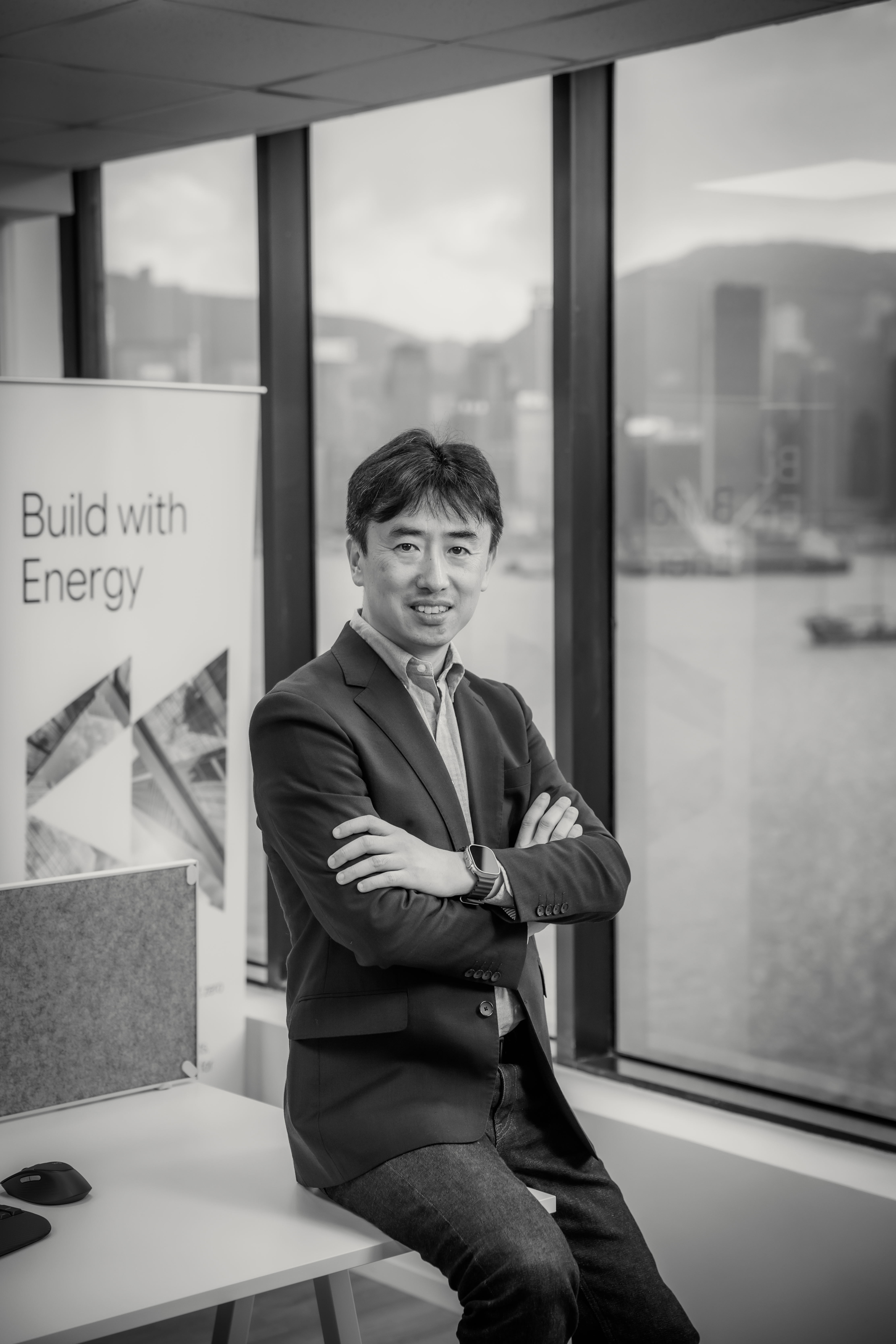
Tao Zhang
Chief Operating Officer
Tao is a chartered professional engineer in both Australia and China, with extensive experience in project management, engineering analysis, and civil/structural design across numerous international projects. As Augenium's Chief Operating Officer, he leads the technical team on product certification programmes to international standards, contributes to R&D on new product models and functionality, and supports the sales team by directing global OEM manufacturers to ensure project timelines are met efficiently and to quality. Tao manages projects across residential, commercial and agricultural applications, overseeing the integration of Augenium’s products across Australia, China, Japan, Singapore and other international markets.

Serjana Sadeq
Chief Strategy Officer
As Chief Strategy Officer at Augenium, Serjana leads commercialisation, strategic partnerships and go-to-market strategy for high-performance solar building envelope solutions. She focuses on accelerating adoption at scale and supporting the decarbonisation of the built environment. With a career spanning management consulting, sustainability, technology and healthcare, Serjana brings expertise in complex programme delivery, organisational transformation, commercial strategy and business case development. She has led transformational initiatives across public and private sectors and is passionate about applying innovation, science and technology to create healthier, more resilient communities.
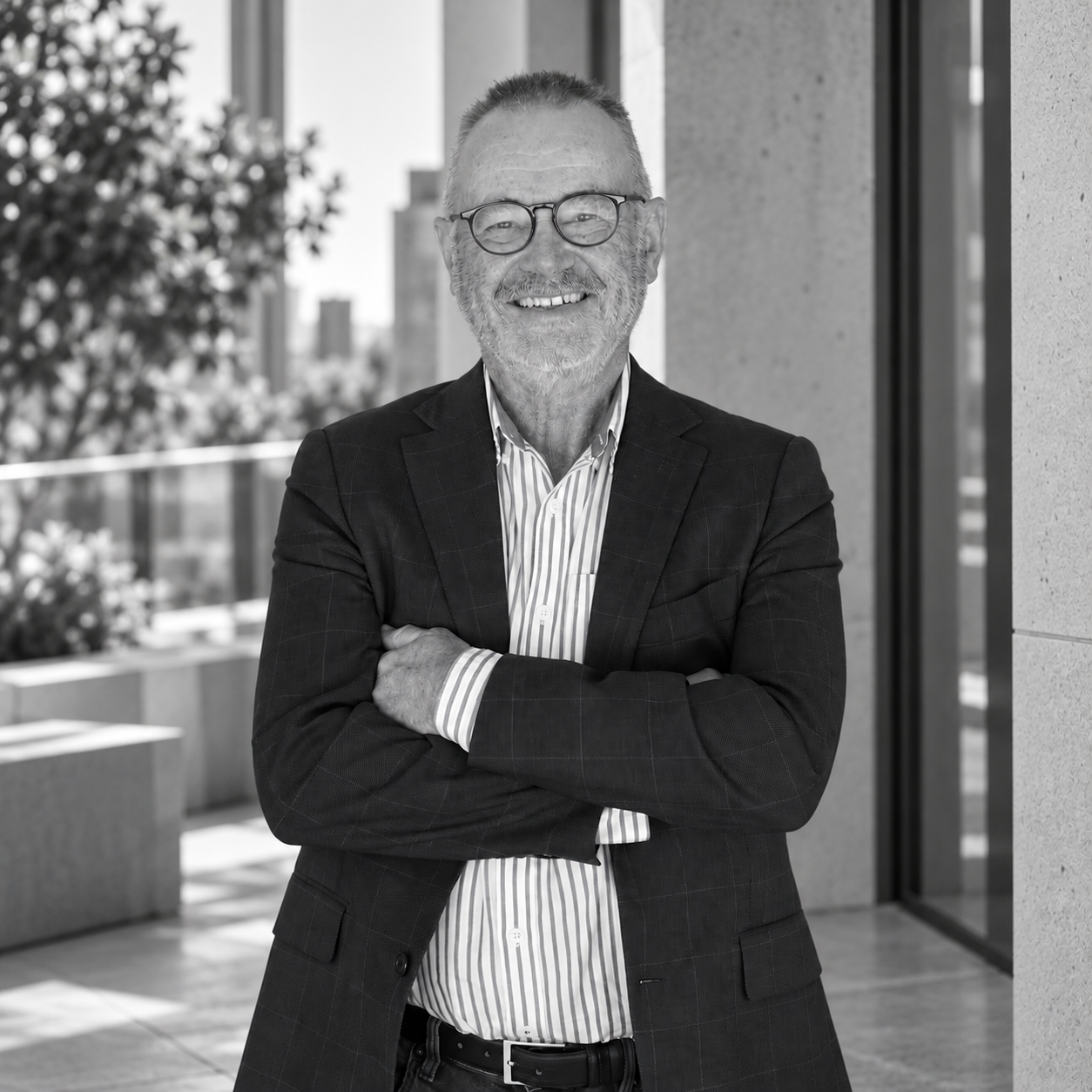
Geoff Edwards
Chief Financial Officer
Geoff is a qualified CPA with more than 30 years of experience in CFO, financial and commercial leadership roles, including with ASX-listed companies. He brings extensive expertise across start-ups, high-growth businesses, mergers and acquisitions, capital raisings, business turnarounds, financial systems and strategic planning. Throughout his career, Geoff has supported organisations through complex periods of growth and transformation, combining strong financial leadership with commercial insight to drive sustainable business performance.

Clifton Smyth
Chief Business Development Officer
Clifton brings more than 20 years of experience across the façade, architectural and construction sectors, with extensive expertise in global supply chain management, risk management and project development across Europe and the Middle East. He has held senior positions with McMullen façades Ltd, Linder Group, Multiforms and Kann Finch Group in the UAE. His international experience and industry knowledge support Augenium’s global project delivery, partnerships and commercial growth.
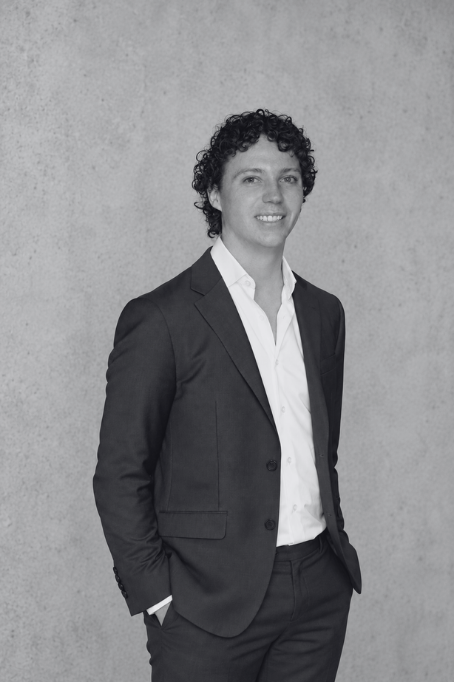
Christopher Cole
Head of Research & Development
Chris leads Augenium’s research and development, bringing a strong background in renewable energy and integrated technology systems. A University of Sydney graduate with experience across solar and wind farm projects, he contributes to PCB design, embedded software and the development of Augenium’s Smart Façade system. His expertise also spans solar and thermal modelling, data analytics and software development across the broader Augenium ecosystem. Chris combines knowledge of hardware, software and AI systems to support Augenium’s continued innovation and advancement of intelligent, high-performance building technologies.
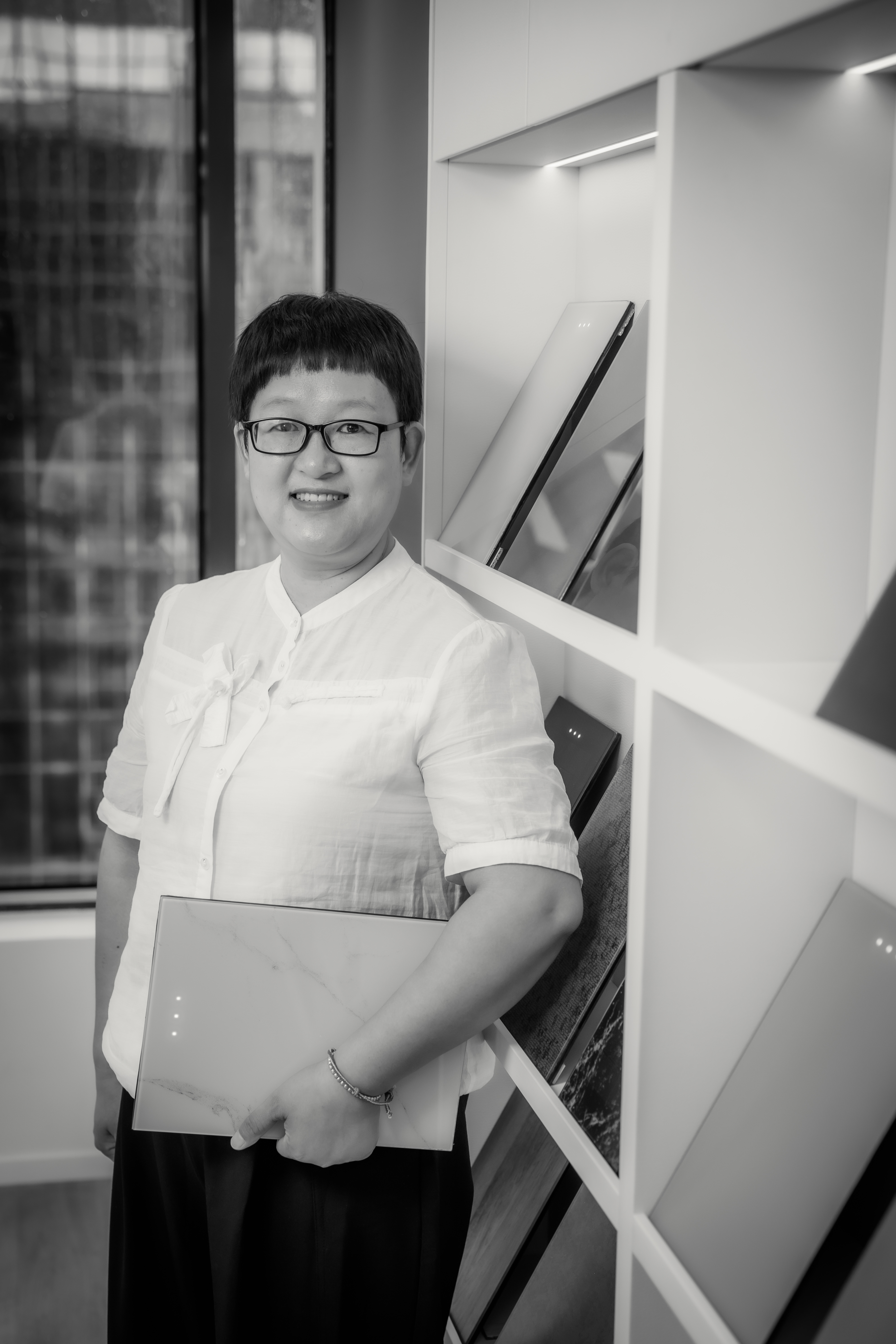
Cherry Chunhui Liu
Operations Coordinator
Cherry brings more than 14 years of experience in the solar and photovoltaic industry, with expertise across international markets and business operations.
Based in Linyi, Cherry coordinates Augenium’s operations with its manufacturing partners. This includes managing supply chain activity with OEMs, developing new supplier relationships, and overseeing logistics so that products reach clients on time. She also supports Augenium’s quality assurance and certification activities, helping ensure that products and manufacturing processes meet the company’s high standards for quality, reliability and performance.
Her deep industry knowledge and international experience help Augenium deliver dependable solar glazing solutions to clients around the world.

Desiree Garcia
Certification and Compliance Engineer
Desiree Garcia is Augenium’s Certification and Compliance Engineer, supporting product certification and regulatory compliance across the company’s innovative BIPV solutions. She works closely with technical and project teams to help ensure AURE products meet applicable international standards, certification requirements and quality expectations, supporting their successful deployment across global markets.
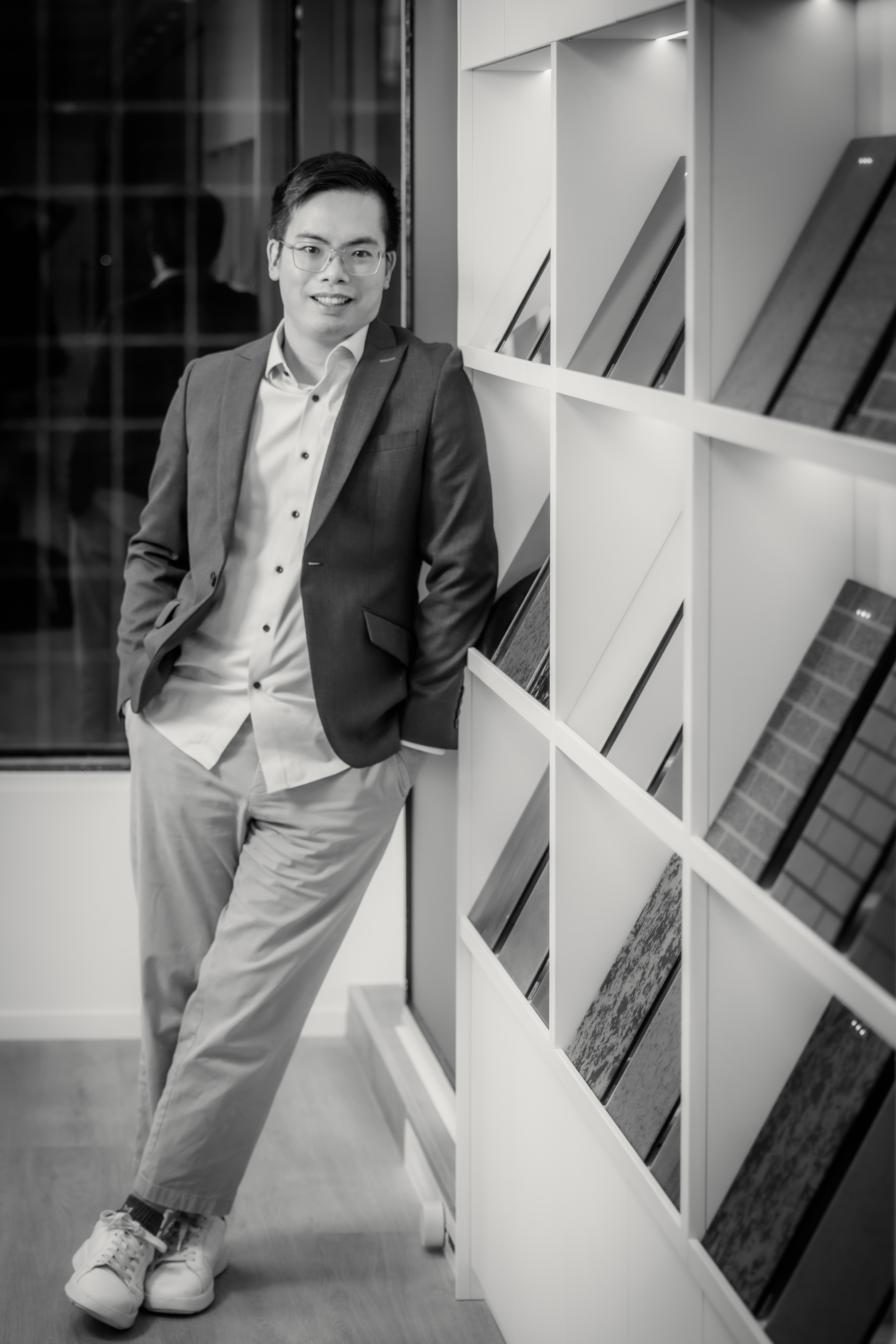
Stanley Chan
R&D Engineer
Stanley is an experienced hardware engineer who thrives at the intersection of complex mechatronics and advanced product development. With a background in Product Engineering from The Hong Kong Polytechnic University, he brings experience leading New Product Introduction (NPI) for interactive robotics and smart hardware.
At Augenium, Stanley applies his expertise in precision 3D CAD, electro-mechanical integration, and DFM/DFA to advance BIPV system capabilities. He focuses on transforming prototype designs into validated build packs, maintaining rigorous thermal and IP-rated sealing standards, and collaborating with OEM partners to deliver sustainable building solutions.

Jane Yu
Associate Project Engineer
Jane holds a degree in Sustainable Energy Engineering from the Hong Kong University of Science and Technology. She brings a valuable professional background across international consultancy and major global consumer brands, specialising in sustainable building design and engineering optimisation. At Augenium, Jane applies her expertise in technical prototyping, component design, and performance modelling to advance BIPV system capabilities, while focusing on generating system configuration estimates and translating prototype designs into practical implementations.

Krista Herlick
NA Business Development Lead
Krista Herlick leads North American business development for Augenium, working with architects, developers and partners to advance BIPV projects. With 20+ years of experience in sales, client service and relationship management, she brings a strategic, collaborative and customer-focused approach, translating complex technology into practical solutions for the built environment.
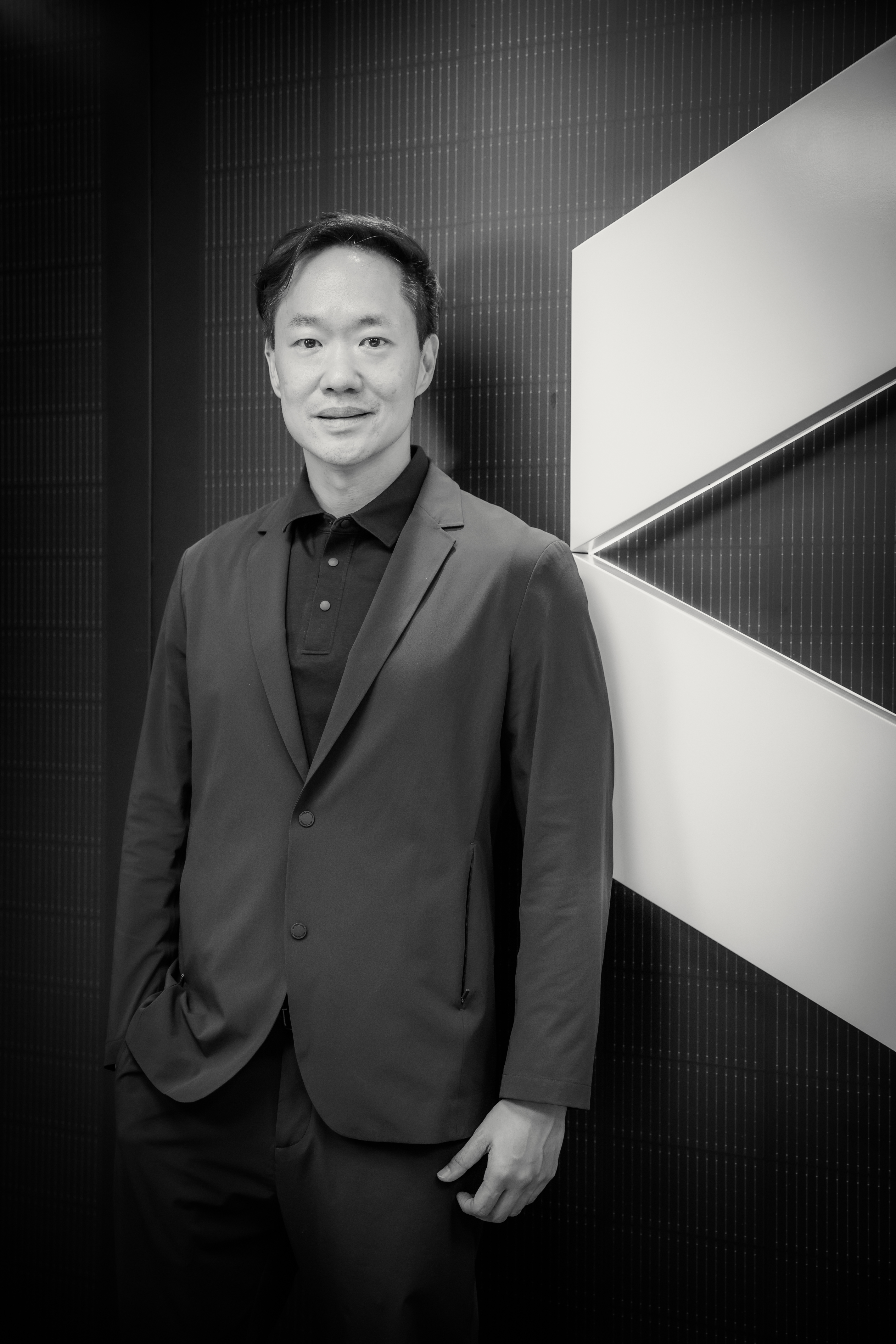
Edward Hui
Business Development Manager
Edward is a Hong Kong-based business development executive with over 30 years of experience across solar energy, capital markets, corporate governance and cross-border operations. He has held senior leadership roles in HKEX-listed companies and played a key role in scaling a leading solar PV business. Edward holds degrees from the University of British Columbia.
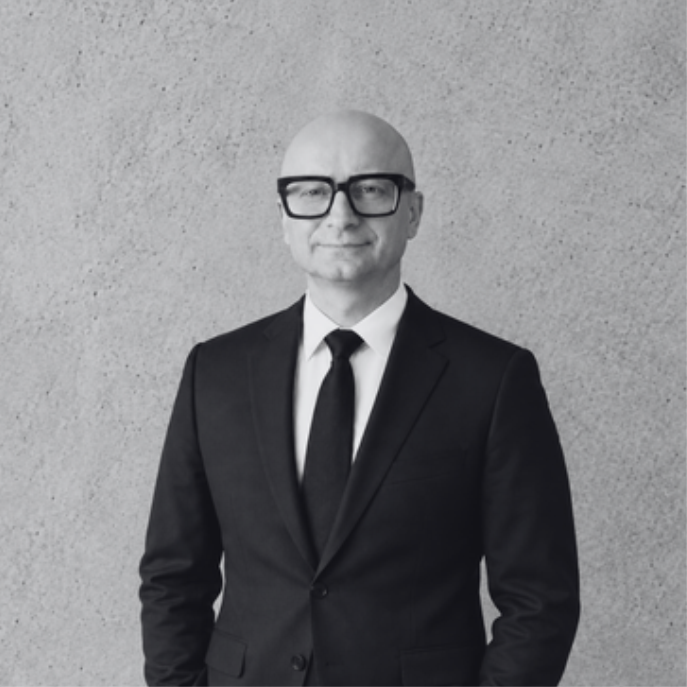
Piotr Pałasz
Technical Sales Manager
Piotr Pałasz brings nearly 30 years of international sales, business development and architectural glass experience across European markets. He has held senior roles with PRESS GLASS, Pilkington IGP, Swisspacer (Saint-Gobain) and Guardian Industries, developing expertise in façade systems and complex construction projects. Piotr specialises in strategic sales, partnerships, negotiations and market growth.
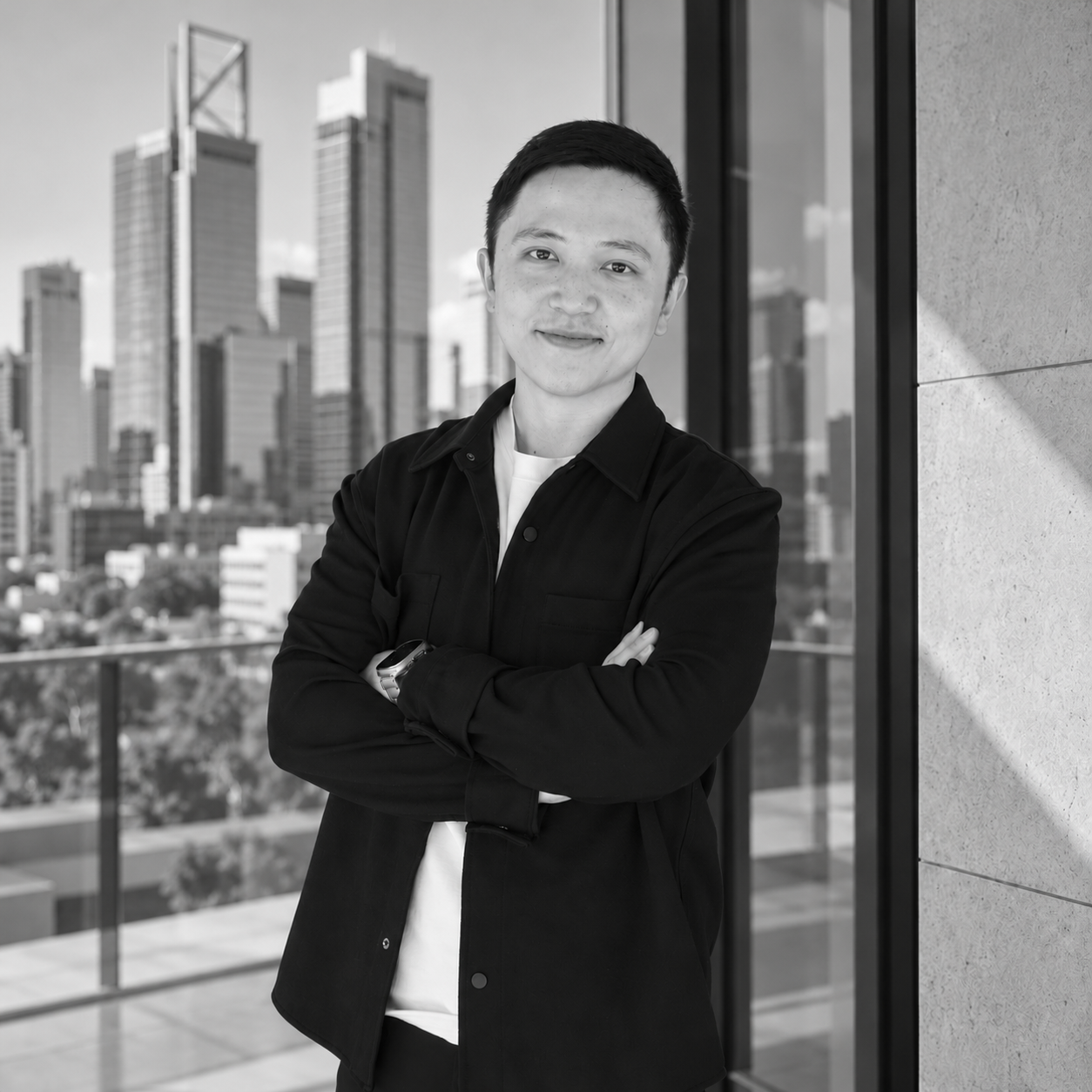
Raymond Liew
Project Coordinator
Raymond brings a structural engineering background and experience collaborating with architects, builders and consultants. At Augenium, he supports BIPV project delivery, coordinating teams and integrating solar glazing solutions across building envelope applications including glazing, balustrades, skylights and cladding, with a focus on practical and technically sound outcomes.
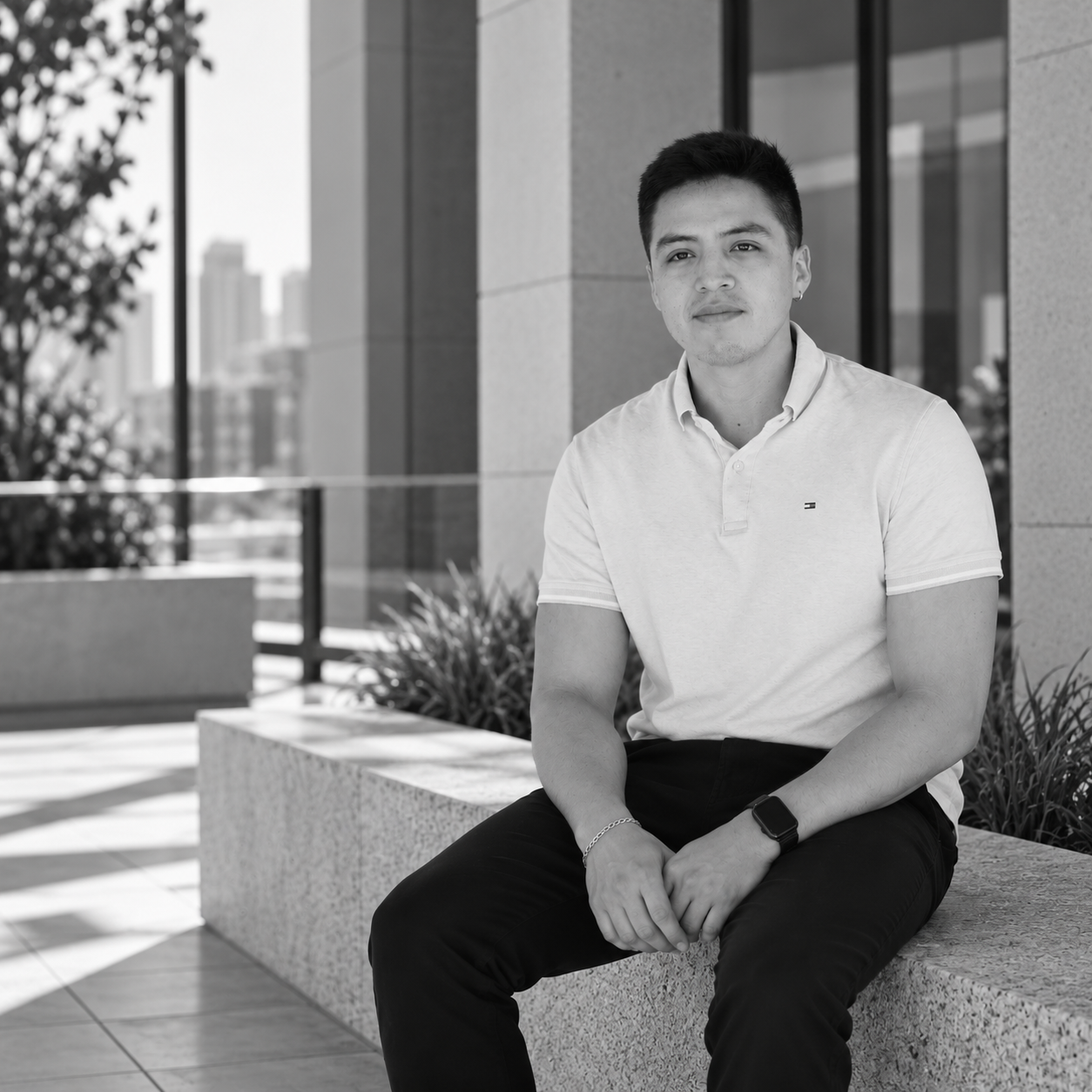
Miguel Moya
Project Coordinator & Architectural Draftsperson
Miguel brings broad architectural experience across residential, commercial, healthcare and retail projects. At Augenium, he bridges design and practical project delivery, coordinating teams to ensure solar-integrated solutions are accurately developed and tailored to each project’s requirements, balancing architectural intent, technical detail and constructability.
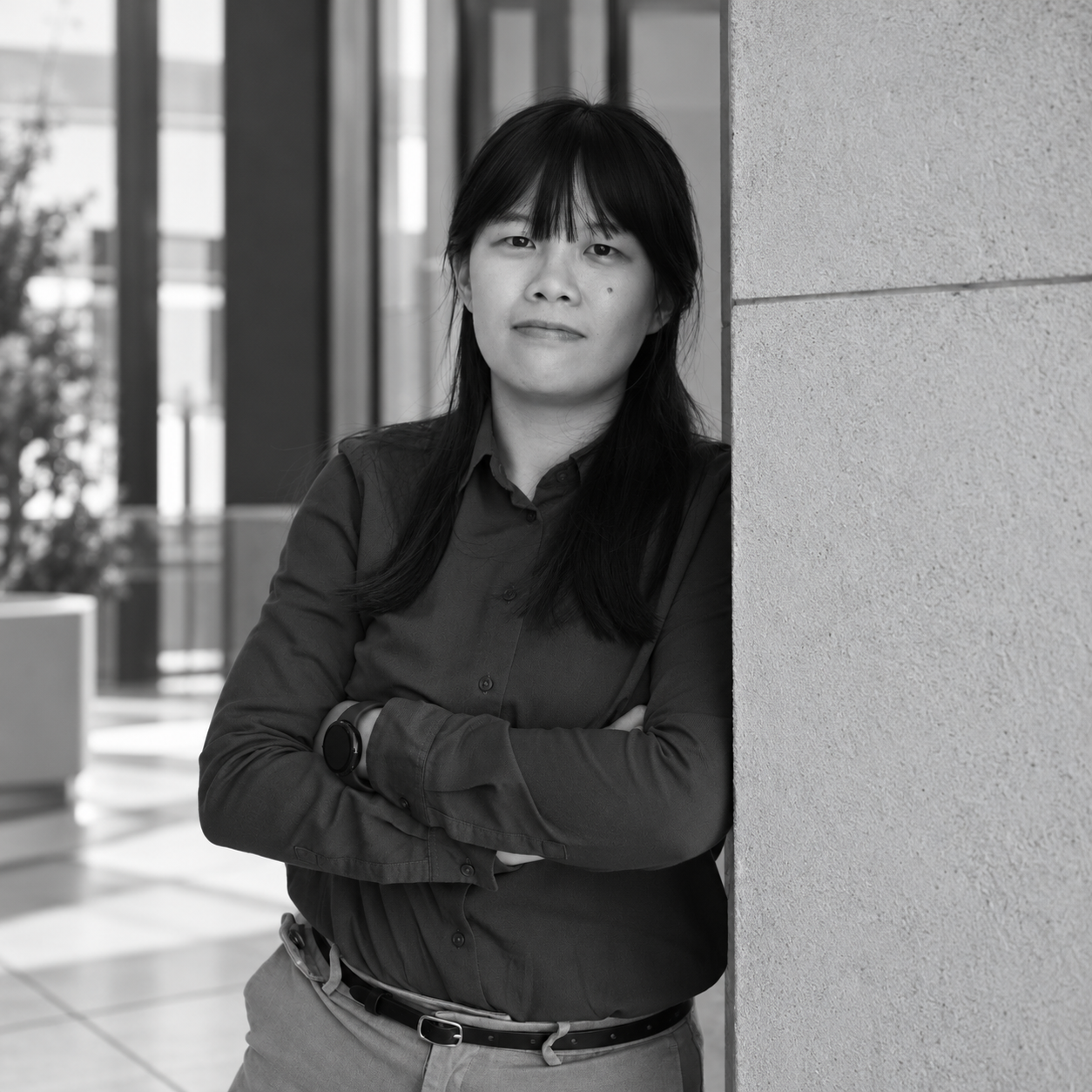
Isabelle Tey
BIPV Façade Technical Designer
Isabelle Tey brings an architectural background from Curtin University to Augenium, specialising in the integration of building-integrated photovoltaics (BIPV). She focuses on aligning advanced solar technology with architectural intent, constructability and aesthetics, while exploring innovative solutions that help reduce the carbon footprint of modern infrastructure.
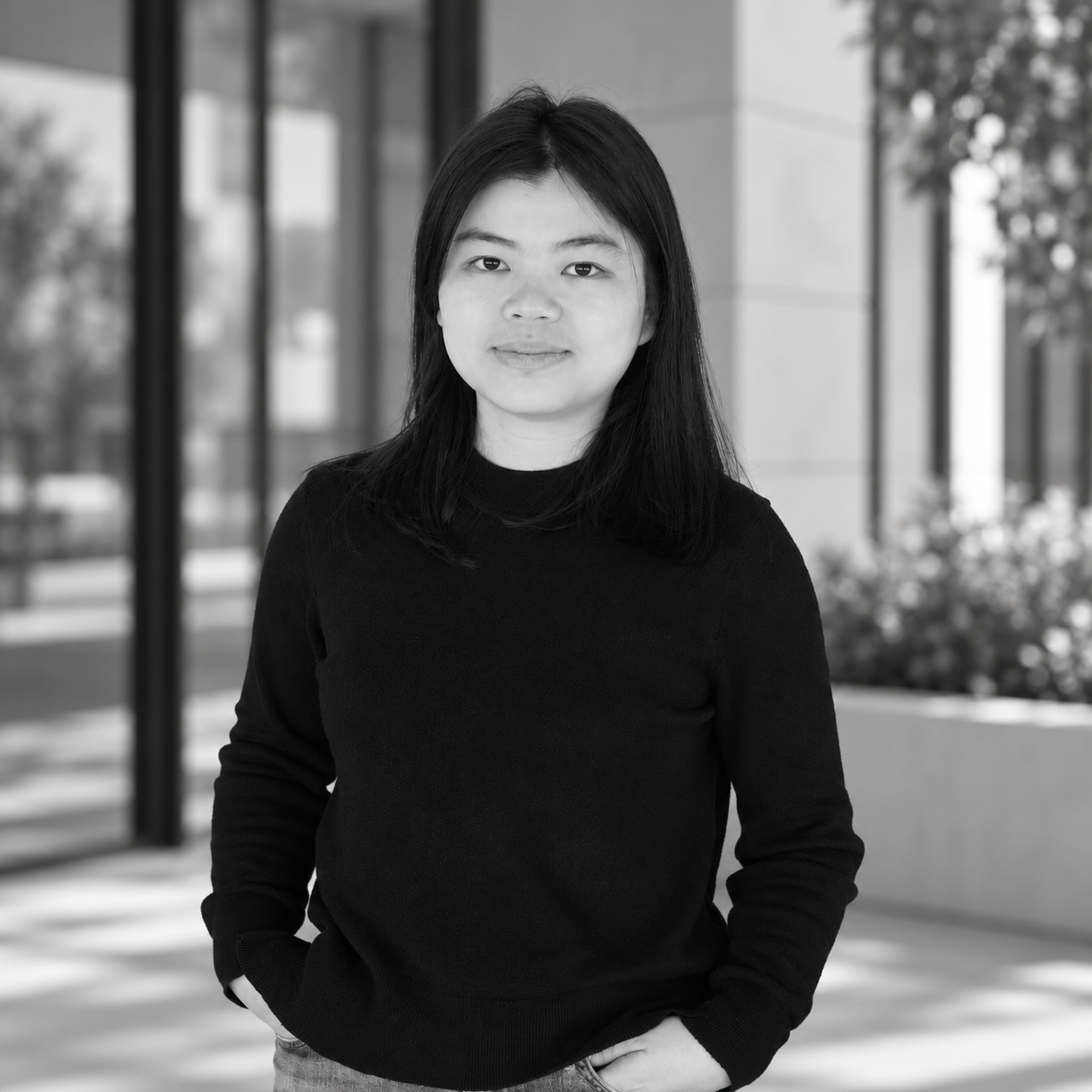
Hui Teng Tang
Architectural Integration Specialist & Draftsperson
Hui Teng Tang holds a degree in Architecture from UCSI University and works as an Architectural Integration & Drafter at Augenium. She focuses on integrating solar technology seamlessly into building design, collaborating with project teams to develop tailored solutions that balance structural performance, functionality and architectural aesthetics.

Millie Tan
Senior Training and Development Manager
A results-focused international BIPV expert with 14 years of PV industry experience and 7 years of management experience. As former Deputy General Manager & International Market Development Director of Gain Solar, she built the brand into a renowned global BIPV name and set up full distribution networks across Europe, the Middle East and Asia-Pacific.
She specializes in market expansion and long-term strategic key account relationship nurturing, managing the full project lifecycle from planning, design, commercial cooperation through construction execution. Her expertise also covers OEM supply chain & QC, global certification compliance, customized BIPV product development and BIPV+energy storage solution sales. Fluent in business English for cross-border key account cooperation and project operation.
She has delivered over 200 landmark BIPV projects globally, including DEWA HQ (5MW, world’s largest single BIPV project), Pakistan BF Tower and Nigeria Hydropower Authority BIPV project. She has also supported optimized design and manufacturing services for multiple custom solar roof tile products for the European market.

Wei Xuan Tan
Senior Strategy and Transformation Manager
Wei focuses on commercial growth, strategic partnerships and operational effectiveness at Augenium. With experience spanning consulting, operations transformation and human capital management, he brings expertise in strategy, organisational change and business growth across Singapore and Australia. Wei is passionate about building purposeful outcomes through high-performing, collaborative teams.

Tina Piek
Finance Officer
Tina is a dedicated finance professional with over 15 years of experience in billing, accounts and bookkeeping. Based in Perth, she holds a Certificate IV in Accounting and Bookkeeping and brings strong attention to detail, financial discipline and a commitment to continuous development. Tina supports accurate and efficient financial operations.
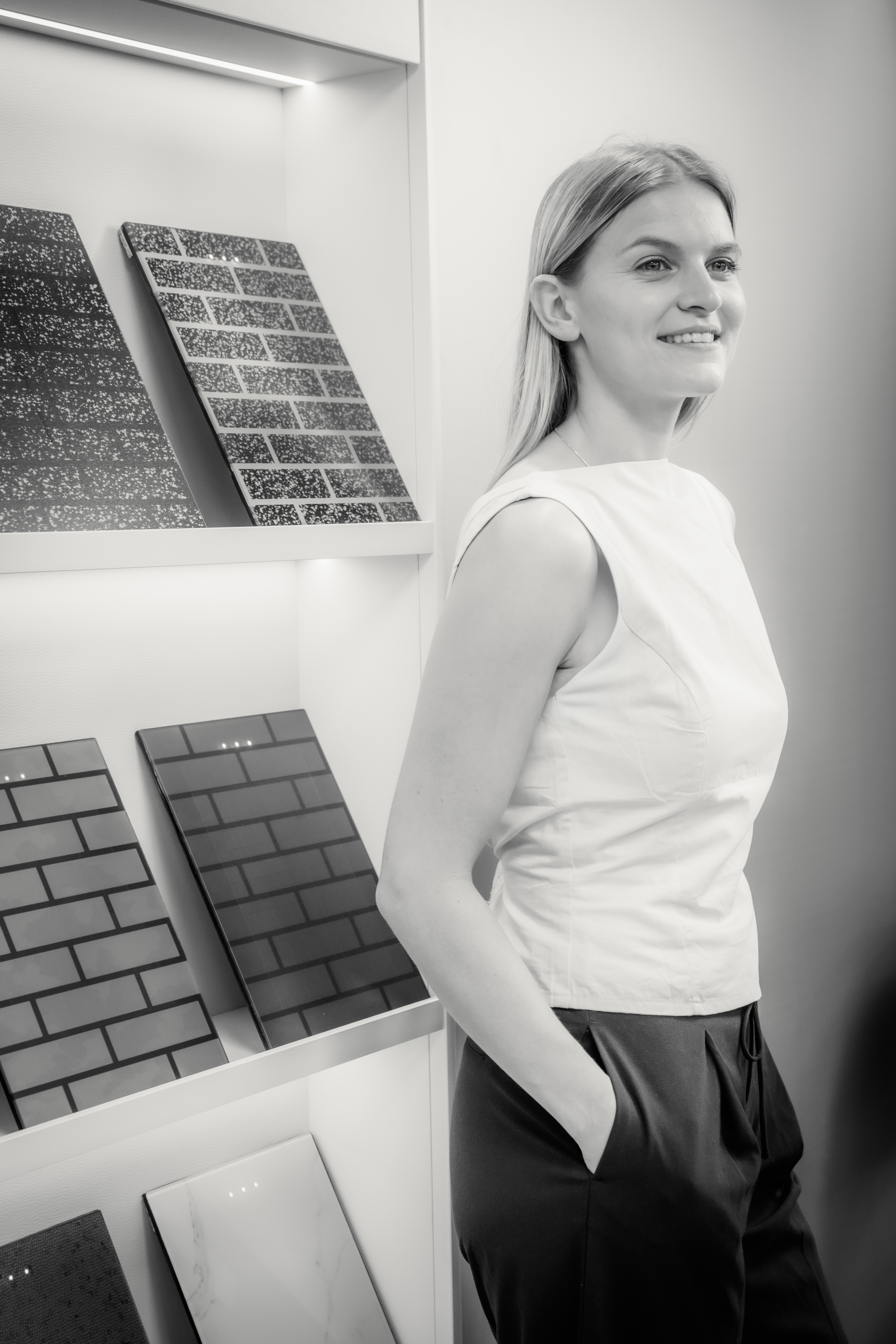
Sarah Wilson
Marketing Manager
Sarah brings a strong background in B2B marketing, with previous experience leading marketing initiatives across the UK and Ireland for a cybersecurity training organisation. As Marketing Manager at Augenium, she leads the company’s marketing strategy, overseeing multi-channel campaigns, content and partner enablement to support global commercialisation and strengthen Augenium’s position in sustainable building solutions.

Embun Mayangsari
Marketing Coordinator
Maya is Augenium’s Marketing Coordinator, supporting the company’s global marketing activities across content, campaigns, and digital channels. With a background in digital marketing at leading global companies, she brings experience in data-driven campaigns and digital commerce to help drive market awareness and commercial opportunities for sustainable building solutions.

Freya Wilde
Office and Marketing Assistant
Freya Wilde is Augenium’s Office and Marketing Assistant, bringing previous marketing experience from the UK and a bachelor’s degree in Broadcast Media Technology. She supports Augenium’s marketing, communications and office operations, contributing to day-to-day activities while helping strengthen the company’s brand and global communications.

Vanja Nesic
Executive Assistant
Vanja brings over 18 years of experience across healthcare and financial services, with expertise in operational leadership, workflow optimisation and team support. Highly organised and people-focused, she is known for her reliability, discretion and calm, solution-oriented approach. Vanja works closely with leadership and multidisciplinary teams to drive efficient, high-performing operations.
FAQs
- BIPV
- Products & Technology
- Electrical
- How to Install
- Warranty & Testing
- Fire Safety & Combustibility
- Regulation & Ratings
- Business Case, Payback & ROI
- Augenium & AURE Products
-
Products & Technology
How is AURE Glazing different from standard solar glass?
AURE Glazing is engineered to look and perform like high-performance architectural glazing and to generate electricity. The product preserves daylight and delivers an improved thermal performance including optimal SHGC and lower U-value than standard double glazing in many configurations. AURE Glazing conceals the photovoltaic elements so the façade looks like conventional glass. Over successive generations our R&D focus has been to make the solar elements progressively less visible while increasing power output per square metre.
Does Augenium make matching non-solar products?
Yes. We offer matching non-solar glazing and cladding for areas of a building that are unsuitable for solar energy generation, helping maintain a consistent appearance across the entire façade. For example, heavily overshadowed elevations or small detail panels can be created in visually identical material. This lets architects deliver a unified façade aesthetic without compromising on energy performance where solar makes sense.
-
Electrical
What are the panel size options?
Augenium offers several standard BIPV panel sizes depending on the product. For AURE Cladding, 1750 × 1150 mm are standard module sizes. Bespoke/project-specific sizes are also available across the product range.
For AURE Glazing, current specifications are project-specific sizes up to 2200 mm × 3300 mm
-
How to Install
Do we need an open-edge or ventilated façade build-up to use Augenium?
No. Because the AURE Thermal Bridge Junction Box is designed for high cavity temperatures, projects do not need to specify an open-edge façade system to manage rear-of-panel heat. This significantly broadens the build-ups that Augenium can be specified into and reduces façade complexity.
-
Warranty & Testing
What certifications do AURE products hold?
Certifications vary by product. Key certifications/testing listed by Augenium include IEC 61215, IEC 61730, UL 61730, EN 13501-1:2018 A2-s1,d0 fire classification, EN 1279-2/3, ASTM E2190, and AS 4284 for relevant products. AURE Glazing has also undergone TÜV SÜD electrical safety testing and fire certification.
What quality control happens at the factory?
Augenium treats QA/QC as mission-critical. Our manufacturing partners operate to extensive quality systems, including:
- Random production-line sampling at every stage.
- In-house testing facilities and damp-heat chambers at the factory.
- Batch testing of every input: solar cells (mechanical and electrical), PVB interlayer, junction boxes and bypass diodes.
- Random delamination and mechanical testing.
- Two electroluminescence tests on every panel: one pre-lamination and one post-lamination to detect any cell-level defects.
- Flash testing on every single panel before it leaves the factory.
- Industry-leading power tolerance of ±5%, plus class-leading temperature coefficient performance.
What warranty does Augenium offer?
AURE products have a 12-year product warranty and a 30-year linear power performance warranty.
AURE x Helios products have a 15-year product warranty and a 30-year linear power performance warranty.
-
Fire Safety & Combustibility
Does Augenium glass meet Australian façade fire-test requirements?
AURE products have already passed AS 1530.3 and the small-scale ISO 13785-1 test, and large-scale testing under AS 5113 and/or BS 8414-2 is in planning. We work directly with façade fire engineers and certifiers on a project-by-project basis to confirm compliance for the specific build-up being used.
-
Regulation & Ratings
-
Business Case, Payback & ROI
Why use incremental payback instead of total system cost?
BIPV replaces a building element that would need to be purchased and installed anyway. The like-for-like comparison is BIPV vs. the standard façade material it displaces, not BIPV vs. zero.
Is there a real-world performance reference?
Yes. Real-world data is available on energy generation, durability and building performance, along with case studies from completed projects.
-
Augenium & AURE Products
What does Augenium mean?
Augenium draws on two ideas: “aura”, and the Latin “ingenium”, meaning natural talent, skill and invention. Together they position us as specialists in advanced building materials and engineered solutions. The name reflects the direction of the business and the value we deliver across the entire building envelope.
What does AURE stand for?
AURE brings together two parts of who we are. “Au” comes from Augenium, our name. “RE” stands for renewable energy, the purpose behind everything we build. Together, AURE captures both the company and the mission that drives it.
What is the difference between AURE Glazing and Vision Glass?
There is no difference in the product itself. AURE Glazing is the new name for what you may know as Vision Glass, our energy-generating architectural glass. The technology, performance and certifications are all exactly as before. Only the name has changed, bringing the product into line with the Augenium brand.
Why is BIPV becoming important in Australia right now?
Two market drivers are pushing BIPV from “nice-to-have” to “necessary” in Australia. First, changes to the National Construction Code (NCC 2025) are required more on-site renewable generation than a typical roof can physically supply. Second, NABERS rating uplift. For example, moving a commercial office from 5 to 6 stars — increasingly relies on on-site solar, and a higher NABERS rating can directly support higher rents and asset valuations. BIPV provides the additional generation surface needed to meet these targets without sacrificing roof plant space.
Which building types are suitable for BIPV?
BIPV can be integrated into a wide range of building types and envelope applications.
We are currently delivering projects across:
- Commercial buildings
- Offices
- Institutional buildings
- Residential developments
- High-rise buildings
- Façade retrofits
How is AURE Glazing different from standard solar glass?
AURE Glazing is engineered to look and perform like high-performance architectural glazing and to generate electricity. The product preserves daylight and delivers an improved thermal performance including optimal SHGC and lower U-value than standard double glazing in many configurations. AURE Glazing conceals the photovoltaic elements so the façade looks like conventional glass. Over successive generations our R&D focus has been to make the solar elements progressively less visible while increasing power output per square metre.
Does Augenium make matching non-solar products?
Yes. We offer matching non-solar glazing and cladding for areas of a building that are unsuitable for solar energy generation, helping maintain a consistent appearance across the entire façade. For example, heavily overshadowed elevations or small detail panels can be created in visually identical material. This lets architects deliver a unified façade aesthetic without compromising on energy performance where solar makes sense.
What are the panel size options?
Augenium offers several standard BIPV panel sizes depending on the product. For AURE Cladding, 1750 × 1150 mm are standard module sizes. Bespoke/project-specific sizes are also available across the product range.
For AURE Glazing, current specifications are project-specific sizes up to 2200 mm × 3300 mm
Do we need an open-edge or ventilated façade build-up to use Augenium?
No. Because the AURE Thermal Bridge Junction Box is designed for high cavity temperatures, projects do not need to specify an open-edge façade system to manage rear-of-panel heat. This significantly broadens the build-ups that Augenium can be specified into and reduces façade complexity.
What certifications do AURE products hold?
Certifications vary by product. Key certifications/testing listed by Augenium include IEC 61215, IEC 61730, UL 61730, EN 13501-1:2018 A2-s1,d0 fire classification, EN 1279-2/3, ASTM E2190, and AS 4284 for relevant products. AURE Glazing has also undergone TÜV SÜD electrical safety testing and fire certification.
What quality control happens at the factory?
Augenium treats QA/QC as mission-critical. Our manufacturing partners operate to extensive quality systems, including:
- Random production-line sampling at every stage.
- In-house testing facilities and damp-heat chambers at the factory.
- Batch testing of every input: solar cells (mechanical and electrical), PVB interlayer, junction boxes and bypass diodes.
- Random delamination and mechanical testing.
- Two electroluminescence tests on every panel: one pre-lamination and one post-lamination to detect any cell-level defects.
- Flash testing on every single panel before it leaves the factory.
- Industry-leading power tolerance of ±5%, plus class-leading temperature coefficient performance.
What warranty does Augenium offer?
AURE products have a 12-year product warranty and a 30-year linear power performance warranty.
AURE x Helios products have a 15-year product warranty and a 30-year linear power performance warranty.
Does Augenium glass meet Australian façade fire-test requirements?
AURE products have already passed AS 1530.3 and the small-scale ISO 13785-1 test, and large-scale testing under AS 5113 and/or BS 8414-2 is in planning. We work directly with façade fire engineers and certifiers on a project-by-project basis to confirm compliance for the specific build-up being used.
Why use incremental payback instead of total system cost?
BIPV replaces a building element that would need to be purchased and installed anyway. The like-for-like comparison is BIPV vs. the standard façade material it displaces, not BIPV vs. zero.
Is there a real-world performance reference?
Yes. Real-world data is available on energy generation, durability and building performance, along with case studies from completed projects.
What does Augenium mean?
Augenium draws on two ideas: “aura”, and the Latin “ingenium”, meaning natural talent, skill and invention. Together they position us as specialists in advanced building materials and engineered solutions. The name reflects the direction of the business and the value we deliver across the entire building envelope.
What does AURE stand for?
AURE brings together two parts of who we are. “Au” comes from Augenium, our name. “RE” stands for renewable energy, the purpose behind everything we build. Together, AURE captures both the company and the mission that drives it.
What is the difference between AURE Glazing and Vision Glass?
There is no difference in the product itself. AURE Glazing is the new name for what you may know as Vision Glass, our energy-generating architectural glass. The technology, performance and certifications are all exactly as before. Only the name has changed, bringing the product into line with the Augenium brand.
Still have a question?
We are happy to talk through specific projects, portfolio assessments, or third-party engineering reviews. For test reports, QA documentation, project case studies or NDA-gated information, please contact Augenium directly.