



- Date: November 26 2026
- Author: Augenium
Why the Next Generation of Greenhouses will Generate Power
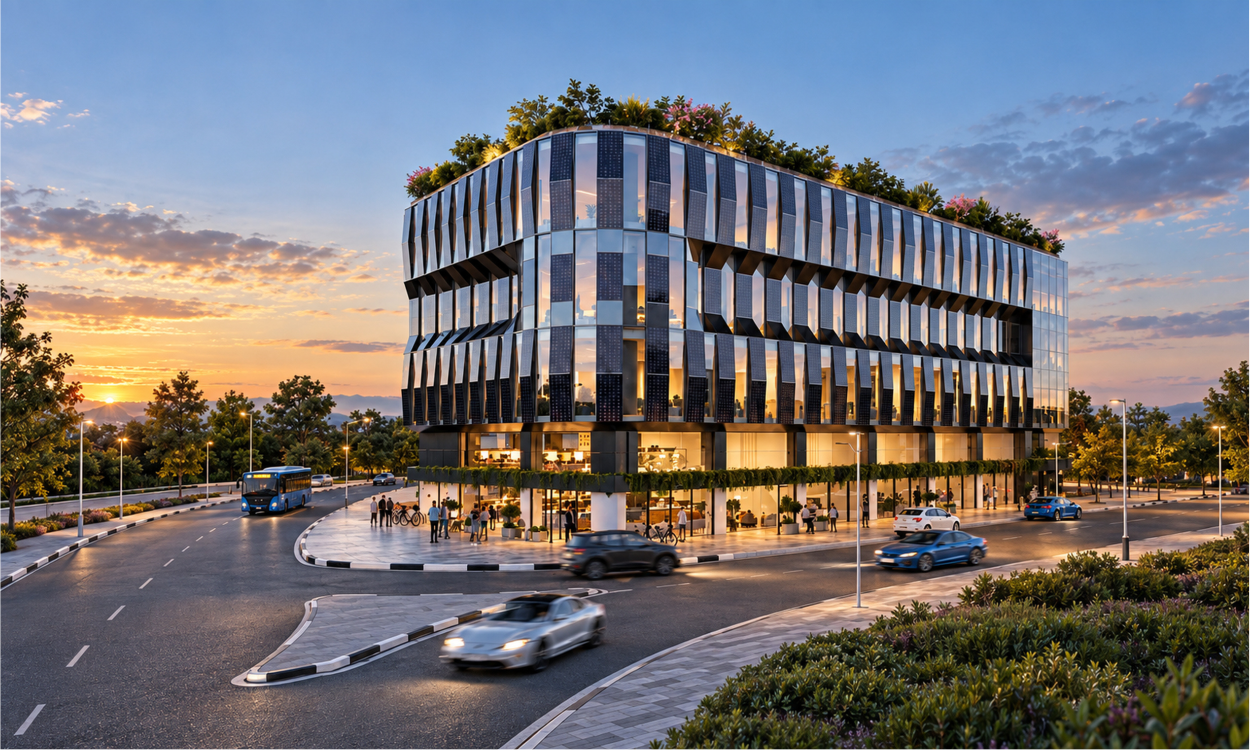
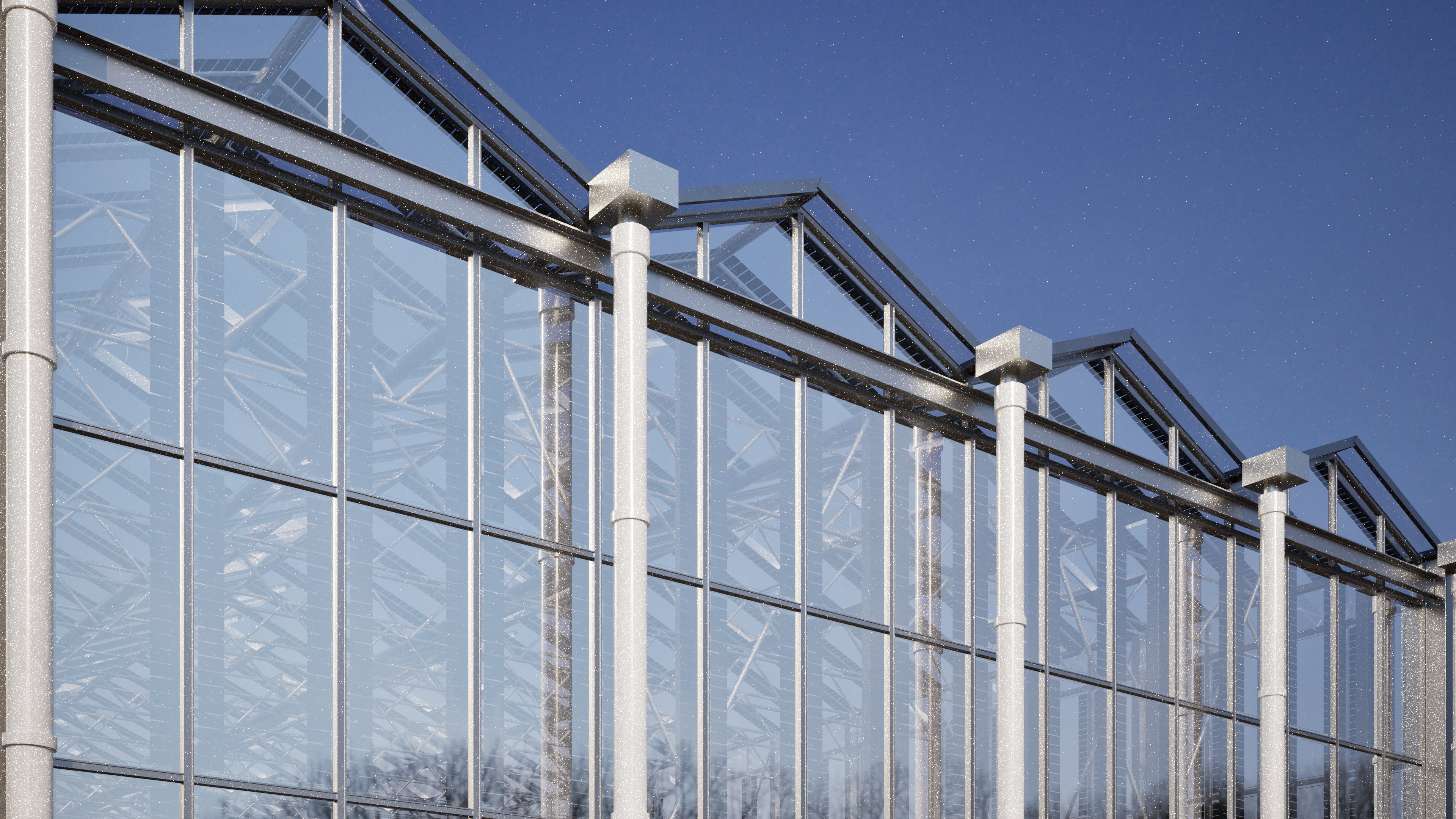
Commercial greenhouses have some of the largest sun-facing surfaces in agriculture. That glass takes in hours of direct sunlight every day, yet none of it is converted to electricity. Our Greenhouses put that surface to work. The AURE Skylights turns greenhouse roofs and walls into clean energy generators while still delivering the daylight crops need. With greenhouse construction accelerating worldwide and operating costs rising, that capability is fast becoming essential.
Why the Demand for Greenhouses are Rising
Global food systems are under sustained pressure. Arable land is finite, freshwater is scarce and extreme weather is disrupting harvests more often. The UN Food and Agriculture Organisation estimates that food production will need to rise by around 70% by 2050 to meet demand.
Greenhouses are central to meeting that target. Controlled environments let producers regulate temperature, water, light and pests, delivering higher yields from less land and consistent supply all year. China shows the impact at scale: greenhouses occupy a small fraction of its farmland yet produce more than a third of its vegetables.
Protected cropping is now expanding rapidly across every climate zone, from the Middle East to northern Europe and Canada.
Energy: The Challenge
Controlled environments are energy intensive. Heating, cooling, lighting and ventilation make up a significant share of operating costs, and energy prices now have a direct bearing on profitability. Conventional glazing offers no protection against that exposure. As greenhouse capacity grows, operators need infrastructure that reduces their reliance on external energy. AURE Greenhouses address this directly, generating electricity through the glazing while maintaining the light crops need to grow.
How AURE Greenhouses Work
High-efficiency solar cells are laminated directly into the transparent AURE Skylights, so the greenhouse generates clean electricity on site while maintaining the light levels crops require.
Cell layouts are configured to suit each crop and climate. Higher-transparency layouts support light-intensive crops, while denser layouts increase energy output. In either configuration, the greenhouse becomes a productive energy asset that helps offsets its own running costs.
Where AURE Greenhouses Deliver the Greatest Value
The case is strongest where protected cropping is essential and energy is expensive or difficult to secure.
Hot, arid regions. The Gulf import the majority of their food and are investing heavily in domestic production. Cooling is the largest energy load, and the solar resource is abundant.
Land-constrained markets. In China, Japan and the Netherlands, productive land is at a premium. Producing food and power from a single footprint makes every square metre count.
Cold climates. In Canada and Scandinavia, greenhouses operate year-round with high heating loads. On-site generation directly reduces that cost.
Proven Performance
AURE technology is already proven in the field. The research greenhouse at Murdoch University in Perth has been generating and recording performance data for almost five years. The glazing is certified to international safety and performance standards and backed by a 30-year performance warranty, giving growers and investors long-term certainty over the life of the asset.
Two Functions, One Structure
The next generation of greenhouses must protect crops and control energy costs. AURE Greenhouses achieve both. They generate clean power, help offset the cost of the glazing over time and reduce carbon emissions, a factor retailers and investors now scrutinise closely when assessing how food is produced.
Demand for greenhouse-grown food is set to keep rising. The operators best positioned for that growth will be those who generate their own energy.
Explore the AURE product range or contact our team at hello@augenium.com to discuss your project.